laure bruni
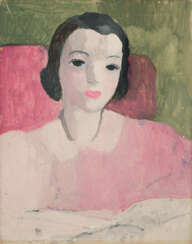

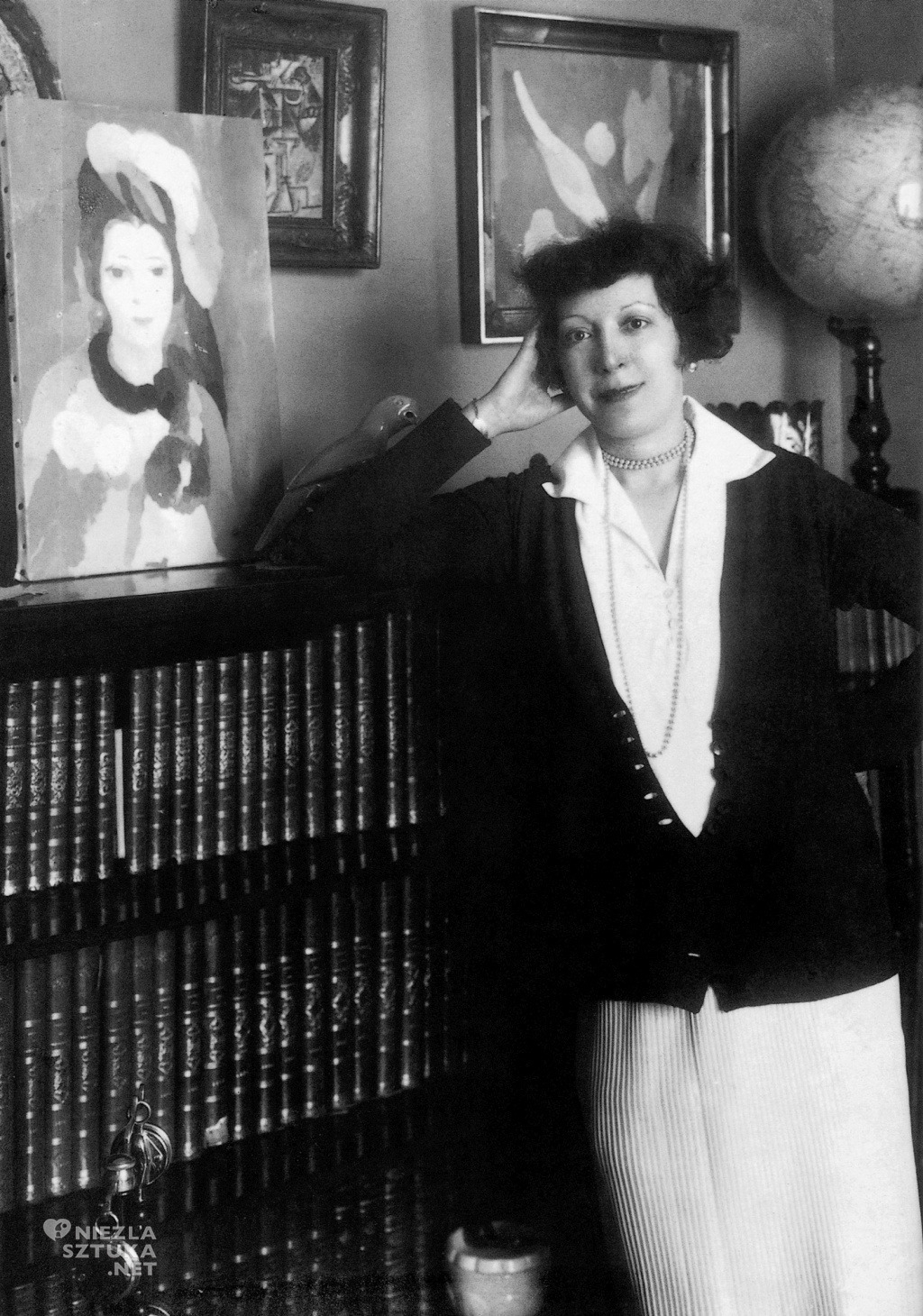
Marie Laurencin was a pivotal figure in the Parisian avant-garde, a French artist renowned for her distinct approach to painting. Unlike her contemporaries who embraced the bold facets of Cubism, Laurencin carved a niche for herself with a palette of soft pastels and a focus on ethereal female forms. Her work, embodying an enchanted, feminine world devoid of masculine presence, was revolutionary for its time, offering a sanctuary of female harmony that was both subtle and profound.
Laurencin's oeuvre extends beyond paintings to include watercolors, drawings, and prints, with notable works such as "Les jeunes filles" and "Portrait de Mademoiselle Chanel" finding homes in prestigious institutions like the Museum of Modern Art in New York and the Musée de l'Orangerie in Paris. Her legacy is further cemented by the Musée Marie Laurencin in Nagano, Japan, the only museum dedicated solely to a female painter, showcasing over 600 of her pieces.
Her approach diverged significantly from the norms of Cubism, incorporating a distinctly feminine aesthetic through the use of pastel colors and curvilinear forms. This unique style set her apart from peers and positioned her as one of the few female Cubist painters, alongside figures like Sonia Delaunay and Marie Vorobieff. Laurencin's artistry was not just an exploration of femininity but a celebration of it, challenging the dominant artistic narratives of her time.
The critique of Laurencin's work for its deliberate embrace of femininity and decorative qualities overlooks the radical essence of her aesthetic. Her paintings, characterized by serene and charming depictions of women, argue for a creative space where the feminine is not just visible but central. Works like "The Fan" and "Spanish Dancers" exemplify her ability to create intimate, self-sufficient worlds that engage the viewer in narratives of absence, longing, and female solidarity.
For collectors and experts in art and antiques, Laurencin's work offers a nuanced understanding of early 20th-century modern art movements through the lens of femininity. Her contributions to art history reflect a bold reimagining of the female form and the spaces women occupy, both in the physical and imaginative realms.
To stay informed about new product sales and auction events related to Marie Laurencin, sign up for updates. This subscription ensures you remain at the forefront of the latest developments and opportunities to acquire works by this groundbreaking artist.
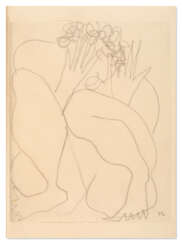



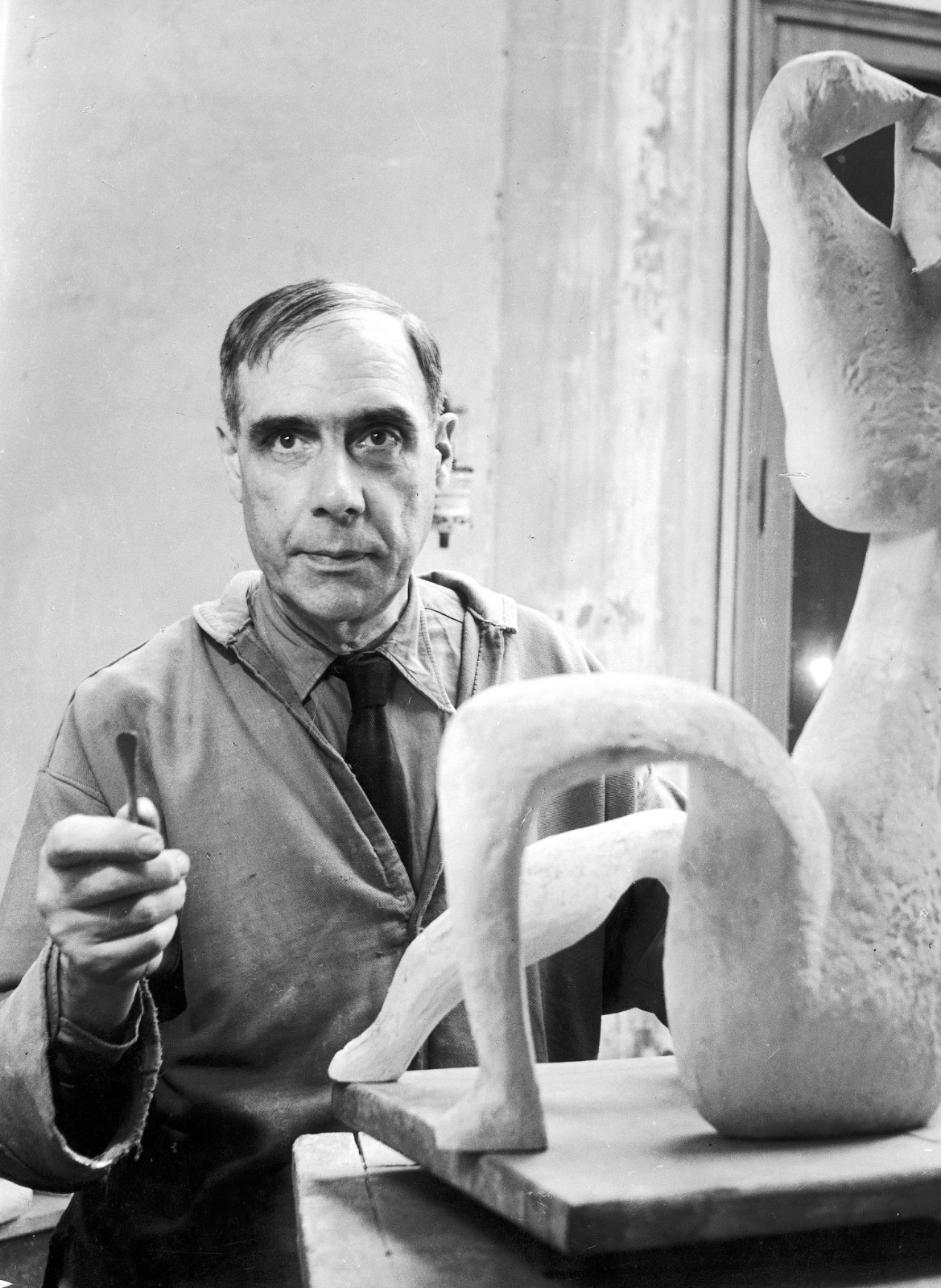
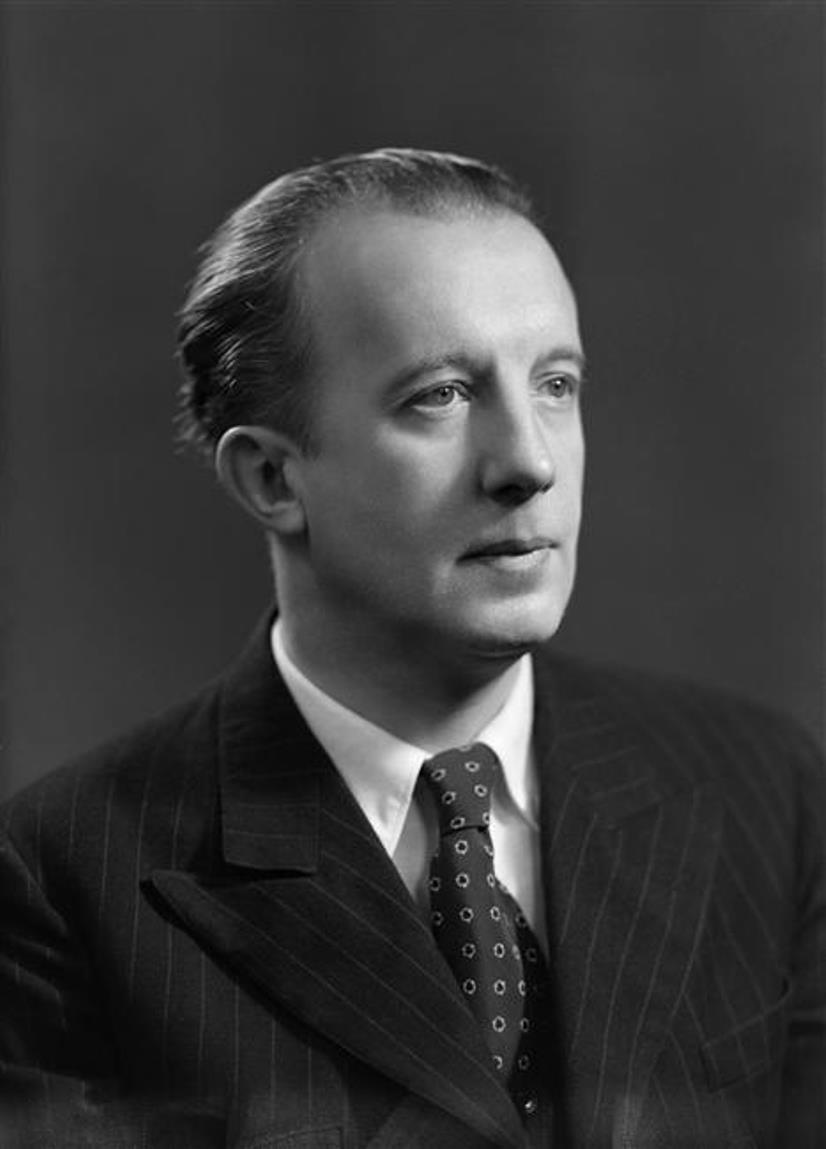






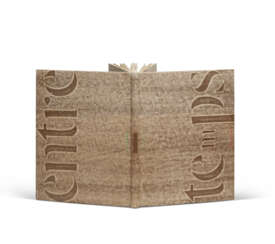

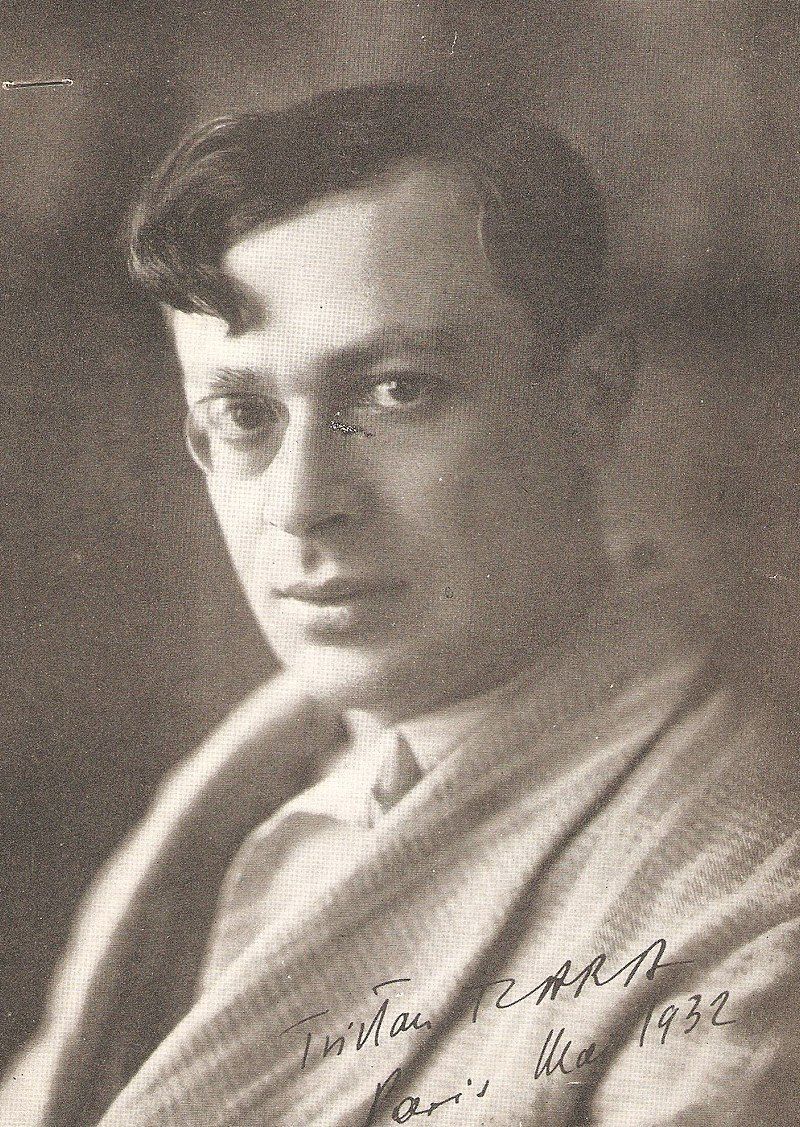
Tristan Tzara, originally named Sami (Samuel) Rosenstock, was a Romanian and French artist and writer best known as a founding figure of the Dada movement. Born in 1896 in Moinești, Romania, Tzara's influence extends across poetry, performance, and manifesto writing, marking him as a pivotal personality in 20th-century art and culture. His work challenged conventional norms and sought to disrupt the traditional boundaries of art, making him a central figure in the avant-garde community.
Dada, the movement with which Tzara is most closely associated, emerged as a reaction against the horrors of World War I, advocating for irrationality and anti-bourgeois protest. Tzara's contributions, including his manifestos, poetry, and performances, were instrumental in shaping Dada's legacy. His art and writings emphasized the importance of spontaneity and chaos, challenging the status quo and the very definition of art itself. Tzara's approach was not confined to a single medium; he explored poetry, playwriting, and critical theory, leaving a diverse and impactful body of work.
Though Tzara is not widely known for sculpture or painting in the traditional sense, his influence on these and other art forms is undeniable. His work and ideas laid the groundwork for later avant-garde movements, including Surrealism. While specific works of Tzara in museums or galleries were not detailed in the research, his legacy is preserved through the collections of major institutions worldwide, reflecting his enduring impact on the arts.
For collectors and experts in art and antiques, understanding Tzara's contributions provides insight into the radical shifts in culture and art in the early 20th century. His work remains a testament to the power of art to challenge, provoke, and transform. To stay informed about new product sales and auction events related to Tristan Tzara, sign up for our updates. This subscription ensures you're alerted to unique opportunities to engage with the history and legacy of a key figure in modern art.
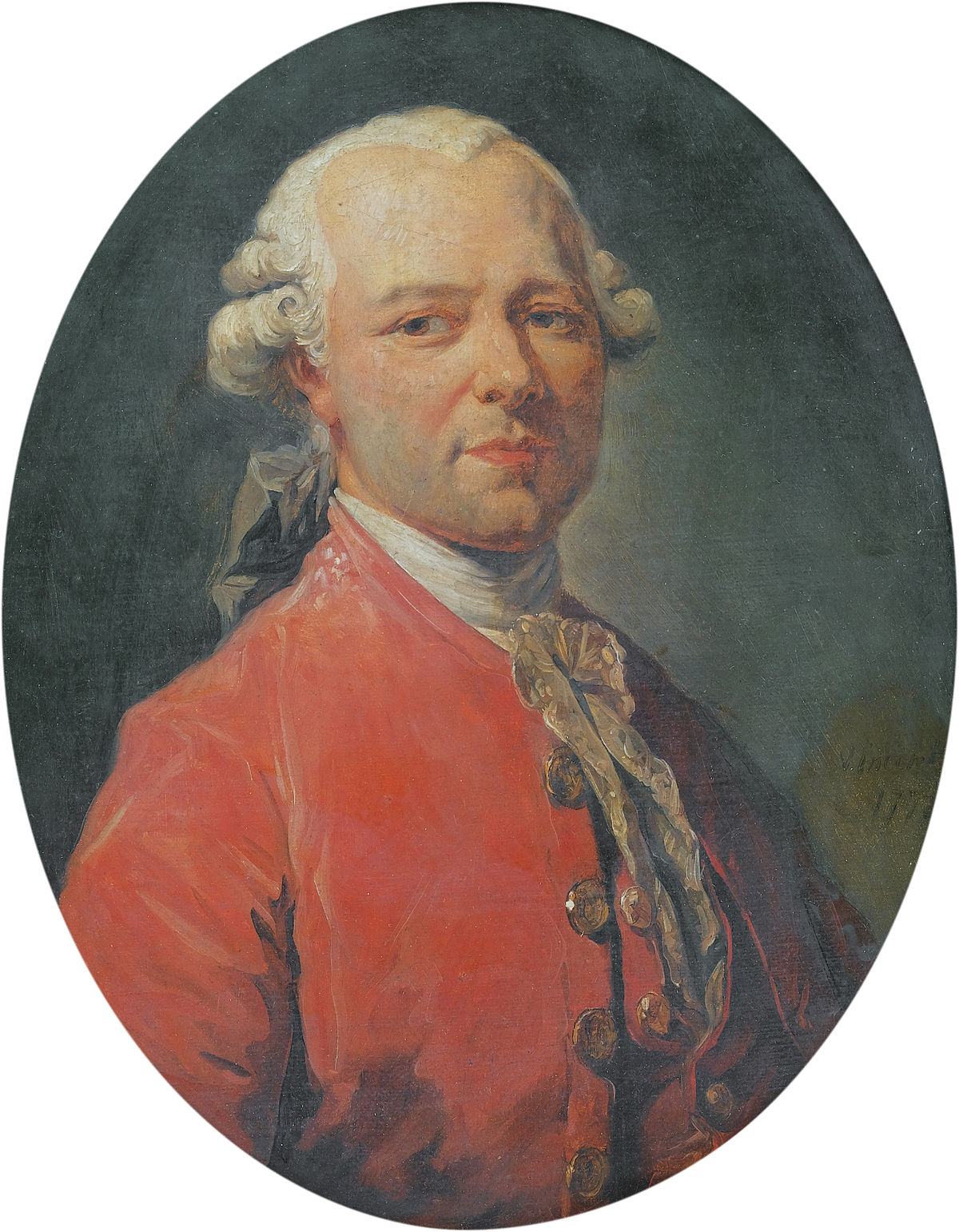
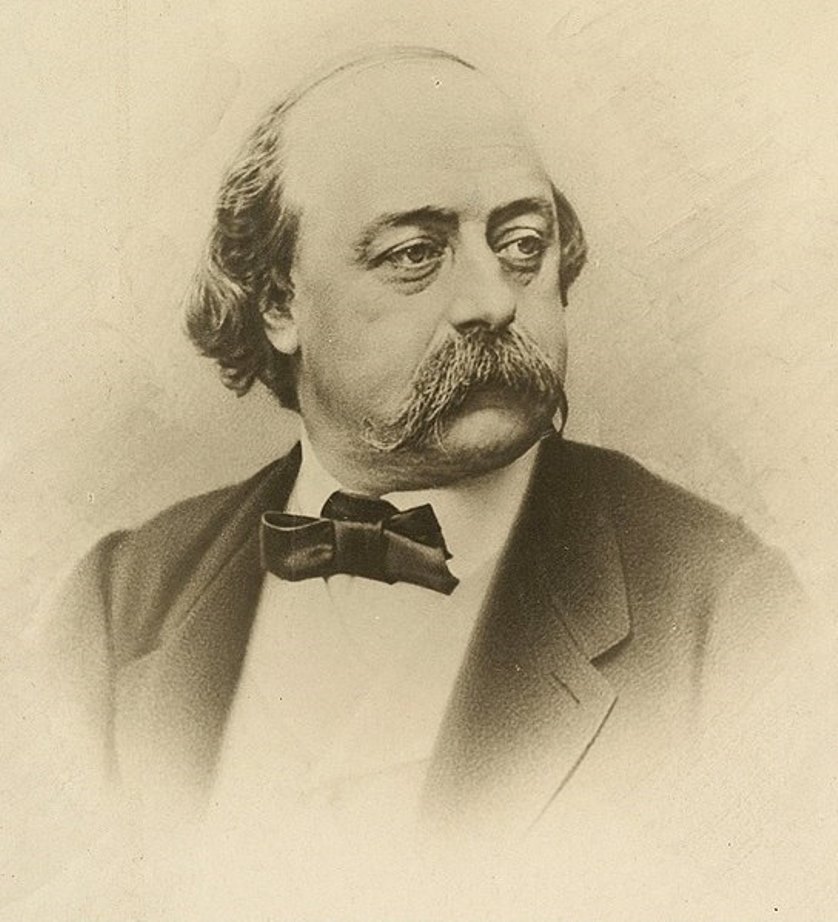
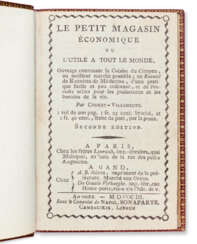
![[GRIMOD de LA REYNIÈRE, Alexandre-Balthazar-Laurent (1758-1837)].](/assets/image/picture_2734763/b1d27/a61b359a3c67517168d95107573429251679526000jpg__fix_374_244.jpeg)
![[GRIMOD de LA REYNIÈRE, Alexandre-Balthazar-Laurent (1758-1837)].](https://veryimportantlot.com/assets/image/picture_2734763/b1d27/a61b359a3c67517168d95107573429251679526000jpg__fix_374_244.jpeg)




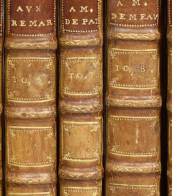


![[PASQUIER, Étienne (1529-1615) (trad.) -- TURNÈBE, Adrien (1512-1565)]. In Sotericum Gratis docentem. Contre le Jesuite, soy disant enseigner gratis. Tourné du Latin vers pour vers, au plus pres du sens de l’Autheur. S.l.s.n., 1565.](/assets/image/picture_1320998/417b5/bfaade6fd350ef148c54c02fb83398781616454000jpg__fix_374_244.jpeg)
![[PASQUIER, Étienne (1529-1615) (trad.) -- TURNÈBE, Adrien (1512-1565)]. In Sotericum Gratis docentem. Contre le Jesuite, soy disant enseigner gratis. Tourné du Latin vers pour vers, au plus pres du sens de l’Autheur. S.l.s.n., 1565.](https://veryimportantlot.com/assets/image/picture_1320998/417b5/bfaade6fd350ef148c54c02fb83398781616454000jpg__fix_374_244.jpeg)



.jfif)
Joseph Fernand Henri Léger was a French artist renowned for his innovative approach to Cubism and his transition towards a figurative, populist style. Born in Argentan, Orne, Lower Normandy, Léger's early career was marked by a stint as an architectural draftsman and a series of educational pursuits that eventually led him to Paris, where he embraced painting seriously. His artistic journey was significantly influenced by the bold abstractions of Cubism, characterized by geometric shapes and a vibrant palette, distinguishing his work from his contemporaries with what came to be known as "Tubism".
Léger's service in World War I profoundly impacted his artistic direction, leading him to adopt a 'mechanical' style that depicted the modern industrial world with sleek, tubular forms. This period saw creations like "Soldier with a Pipe" and "The Card Players," reflecting his war experiences and the mechanical aesthetics of the time. The post-war era encouraged Léger to explore the mechanical style further, evident in works like "The Bargeman" and "Mechanical Elements," highlighting the pace of technological advancement.
Throughout his career, Léger's work evolved, notably in the 1920s, where he aligned with Purist ideas, blending classicism with modernity. This phase is exemplified in "Woman with a Cat," showcasing a classical form with a modern, polished finish. By the 1930s, Léger's art took a more figurative, populist turn, aiming to democratize contemporary art and make it more accessible. His commitment to art education, especially for the common worker, underscored his belief in the social role of art.
For those intrigued by Joseph Fernand Henri Léger's groundbreaking contributions to modern art, his works can be found in prestigious museums worldwide. His legacy continues to inspire art collectors and enthusiasts alike. To stay updated on exhibitions and auction events featuring Léger's work, sign up for updates and embrace the unique opportunity to explore the richness of his artistic endeavors.



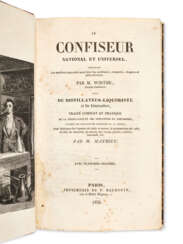

![[CUISINIÈRE GENEVOISE].](/assets/image/picture_2734687/bbfc1/410e71017ef0550c8285177cf0dafd241679526000jpg__fix_374_244.jpeg)
![[CUISINIÈRE GENEVOISE].](https://veryimportantlot.com/assets/image/picture_2734687/bbfc1/410e71017ef0550c8285177cf0dafd241679526000jpg__fix_374_244.jpeg)
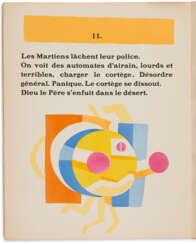
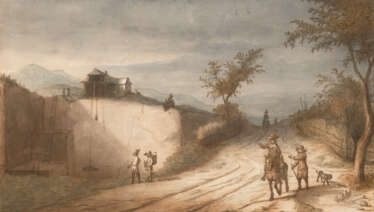
![[CUISINE PROVENÇALE].](/assets/image/picture_2734767/329f1/6ad8e2d725a38e9420aef40c0f912ecf1679526000jpg__fix_374_244.jpeg)
![[CUISINE PROVENÇALE].](https://veryimportantlot.com/assets/image/picture_2734767/329f1/6ad8e2d725a38e9420aef40c0f912ecf1679526000jpg__fix_374_244.jpeg)




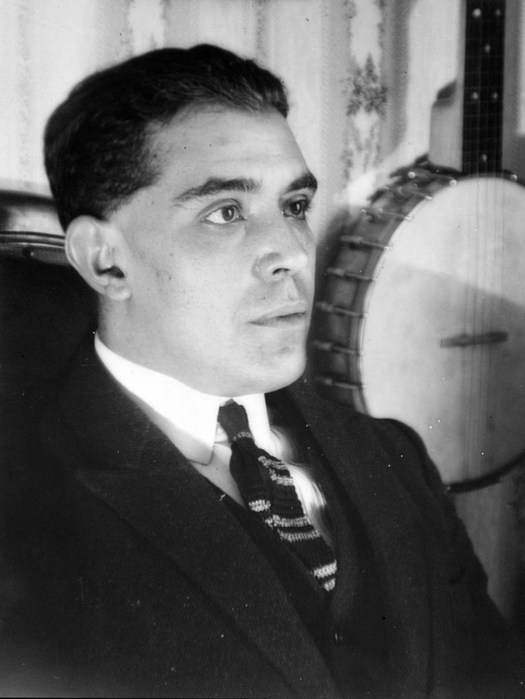
Juan Gris, a Spanish painter and sculptor born José Victoriano Carmelo Carlos González-Pérez in Madrid, is celebrated for his significant contribution to the Cubist movement. Gris moved to Paris in 1906, where he developed a close relationship with notable figures such as Henri Matisse, Georges Braque, Fernand Léger, and Pablo Picasso, adopting the vibrant city as his primary residence and embracing the avant-garde art scene.
In his early years, Gris pursued engineering but quickly shifted his focus to art, demonstrating a natural talent that led him to study under José Moreno Carbonero, a respected artist in Madrid. His artistic journey took a significant turn upon his move to Paris, where he immersed himself in the world of illustration before evolving into a pivotal Cubist painter. Unlike his contemporaries, Picasso and Braque, Gris's Cubist works are known for their bright, harmonious colors and innovative use of papier collé (collage), marking a departure from the more monochromatic style of Analytical Cubism to a more vibrant Synthetic Cubism.
Gris's transition to Synthetic Cubism after 1913, marked by his unique approach to color and composition, set him apart. His works, characterized by their clarity, order, and integration of geometric forms with a distinctive color palette, made significant impacts on both the Purist style and the post-war "return to order" movement. Notable works by Gris are held in prestigious collections worldwide, including "Portrait of Picasso" (1912) at the Art Institute of Chicago and "Still Life before an Open Window, Place Ravignan" (1915) at the Philadelphia Museum of Art, exemplifying his innovative approach to Cubism.
For collectors and experts in art and antiques, Juan Gris remains a figure of immense historical and aesthetic importance, embodying the spirit of innovation and the search for new means of expression that defined the early 20th century. His commitment to exploring the boundaries of Cubism, combined with his unique palette and compositional techniques, continues to inspire and captivate audiences. To stay updated on new product sales and auction events related to Juan Gris, signing up for updates is highly recommended for those with a keen interest in his work and Cubism at large.

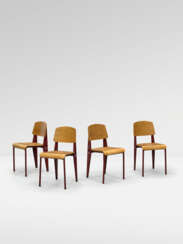

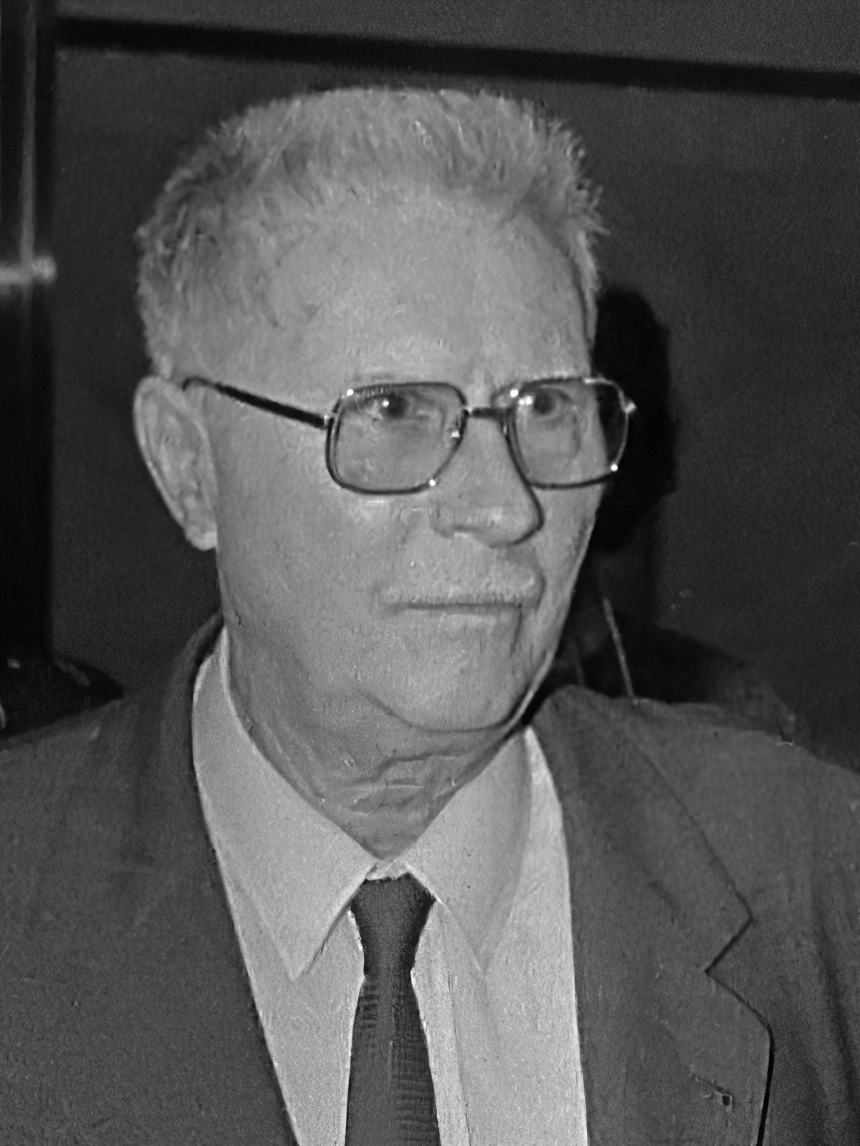
Jean Prouvé was a French metal worker, self-taught architect and designer. Le Corbusier designated Prouvé a constructeur, blending architecture and engineering. Prouvé's main achievement was transferring manufacturing technology from industry to architecture, without losing aesthetic qualities. His design skills were not limited to one discipline. During his career Jean Prouvé was involved in architectural design, industrial design, structural design and furniture design.